
Pathophysiology is one of the most important subjects in nursing education. It helps nursing students understand how diseases develop, affect the human body, and produce clinical symptoms. However, the amount of information students must learn can make this subject challenging.
This pathophysiology study guide provides practical strategies to help nursing students understand disease processes, improve clinical reasoning, and prepare effectively for nursing examinations.

Pathophysiology Study Guide: Understanding the Basics
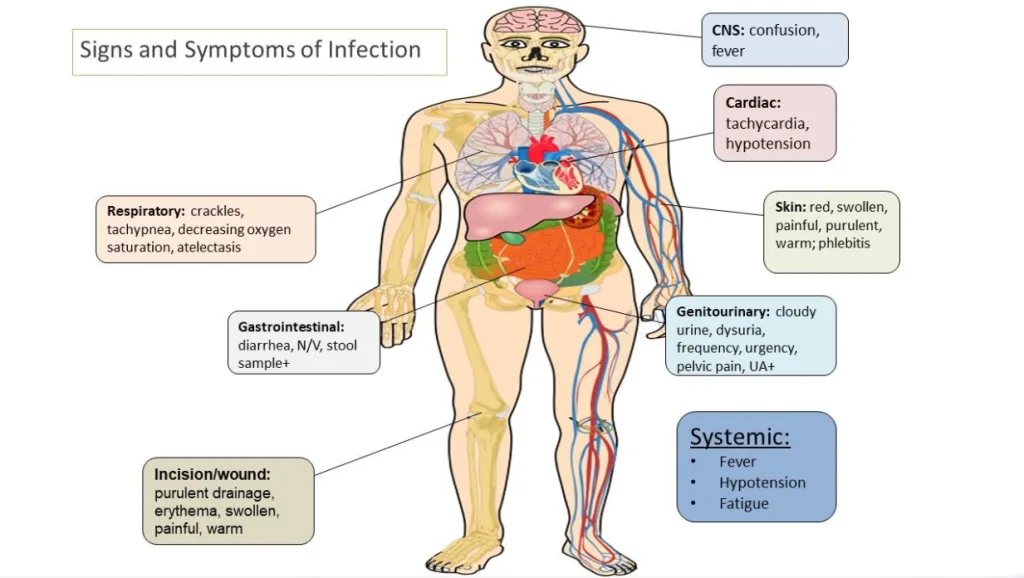
Pathophysiology is the study of abnormal physiological processes associated with disease and injury. It explains how changes in normal body functions contribute to signs, symptoms, and complications.
For nursing students, understanding pathophysiology is essential because it connects scientific knowledge with clinical practice.
Studying pathophysiology helps students understand:
- How diseases develop and progress.
- Why patients experience particular symptoms.
- How different body systems respond to illness.
- The relationship between diagnostic findings and disease processes.
- The scientific rationale behind nursing interventions.
Rather than memorizing individual symptoms, students should focus on understanding the mechanisms responsible for those symptoms.
An effective pathophysiology study guide helps nursing students connect disease mechanisms with clinical manifestations and patient care.
For additional information about diseases, symptoms, and treatment options, nursing students can explore MedlinePlus, a resource provided by the U.S. National Library of Medicine.
Why Is Pathophysiology Important for Nursing Students?
Pathophysiology provides a foundation for many nursing subjects, including pharmacology, health assessment, medical-surgical nursing, and critical care.
For example, understanding how heart failure affects cardiac output can help a nursing student recognize why a patient may experience fatigue, shortness of breath, and fluid retention.
Similarly, understanding insulin resistance can help students explain why patients with type 2 diabetes experience elevated blood glucose levels.
These connections strengthen clinical judgment and help students apply classroom knowledge to patient care.
Using a pathophysiology study guide alongside textbooks and clinical practice can strengthen your understanding of complex disease processes.
7 Effective Ways to Study Pathophysiology
1. Review Normal Anatomy and Physiology
Before studying a disease, understand how the affected organ or body system normally functions.
For example, before learning about chronic kidney disease, review the normal functions of the kidneys, including filtration, fluid regulation, electrolyte balance, and waste elimination.
Understanding normal physiology makes abnormal processes easier to recognize.
2. Organize Diseases by Body System
Studying related diseases together helps students recognize similarities and differences.
Organize your study sessions around the following systems:
- Cardiovascular system
- Respiratory system
- Renal system
- Endocrine system
- Neurological system
- Gastrointestinal system
- Immune system
- Musculoskeletal system
This approach makes complex information more manageable and improves understanding of relationships between conditions.
3. Use Concept Maps
Concept maps are useful for visualizing relationships between disease processes, symptoms, complications, and treatment principles.
When creating a concept map, include the following information:
- Disease or condition
- Causes and risk factors
- Underlying pathophysiology
- Clinical manifestations
- Diagnostic findings
- Potential complications
- General management principles
For example, a concept map for asthma could connect airway inflammation and bronchoconstriction with wheezing, coughing, and difficulty breathing.
4. Practice Active Recall
Active recall involves retrieving information from memory rather than repeatedly reading notes.
After studying a condition, close your textbook and attempt to explain:
- What causes the disease?
- Which physiological processes are disrupted?
- Why do the symptoms occur?
- What complications may develop?
- Which assessment findings are important?
Review the information you struggled to remember and repeat the exercise during subsequent study sessions.
5. Apply Knowledge to Clinical Scenarios
Clinical scenarios help nursing students connect theoretical concepts with patient presentations.
Consider a hypothetical patient experiencing excessive thirst, frequent urination, and elevated blood glucose.
Instead of simply identifying diabetes as a possible condition, examine how elevated blood glucose can contribute to osmotic diuresis, increased urination, and dehydration.
Understanding these mechanisms supports stronger clinical reasoning.
6. Use Spaced Repetition
Studying pathophysiology in shorter, repeated sessions can be more effective than attempting to memorize everything immediately before an examination.
Review newly learned concepts the following day, several days later, and again the following week.
Flashcards, concept maps, and original practice questions can help reinforce important information during these sessions.
7. Explain Concepts in Your Own Words
Teaching a concept to another person is an effective way to identify gaps in understanding.
Choose a disease and explain its development using simple language. If you cannot explain why a particular symptom occurs, revisit the underlying physiological process.
This approach encourages understanding rather than memorization.
Important Pathophysiology Topics for Nursing Students
Although course requirements vary between nursing programs, students commonly encounter the following foundational topics.
Cellular Injury and Inflammation
Understand how cells respond to injury, infection, oxygen deprivation, and environmental stress. Review acute and chronic inflammation, cellular adaptation, and tissue repair.
Fluid, Electrolyte, and Acid-Base Balance
Study dehydration, fluid overload, sodium and potassium imbalances, and acid-base disturbances. Learn how the respiratory and renal systems contribute to maintaining physiological balance.
Cardiovascular Disorders
Review hypertension, coronary artery disease, heart failure, and circulatory shock. Focus on how changes in cardiac function and blood flow affect tissue perfusion.
Respiratory Disorders
Understand asthma, pneumonia, chronic obstructive pulmonary disease, and respiratory failure. Pay particular attention to ventilation, oxygenation, and gas exchange.
Endocrine Disorders
Study diabetes mellitus, thyroid disorders, and adrenal dysfunction. Understanding hormonal regulation helps explain the clinical manifestations of these conditions.
Immune System Disorders
Review hypersensitivity reactions, autoimmune diseases, immunodeficiency, and infection-related inflammatory responses.
Nursing students can also use the NCBI Bookshelf to explore biomedical textbooks and deepen their understanding of disease mechanisms.
A Weekly Pathophysiology Study Schedule
A structured study schedule can help students balance pathophysiology with other nursing courses.
Monday: Review normal anatomy and physiology.
Tuesday: Study the causes and mechanisms of selected diseases.
Wednesday: Create concept maps and review clinical manifestations.
Explore More Nursing Study Resources
Looking for additional nursing study materials? Explore our collection of nursing study guides, original practice questions and answers, and educational resources to strengthen your understanding of nursing concepts.
**